
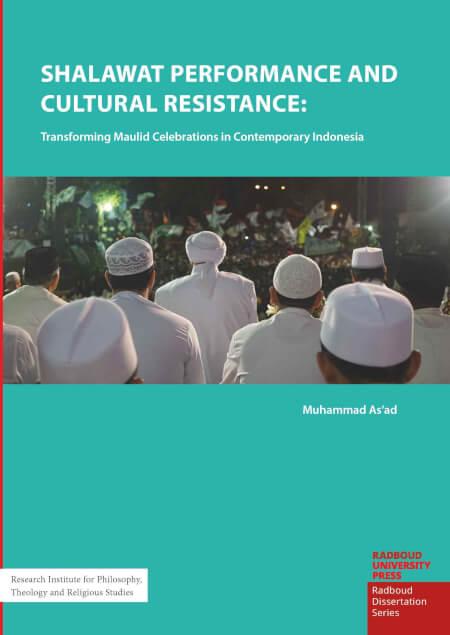
Shalawat Performance and Cultural Resistance: Transforming Maulid Celebrations in Contemporary Indonesia
Keywords:
Shalawat performance, Maulid celebration, Popular culture, Indonesia, Islamic radicalism, Public resilienceSynopsis
This study examines how the traditional Islamic ritual of maulid (celebration of Prophet Muhammad's birthday) has been transformed into popular shalawat performances in Surakarta (Solo), Indonesia. The research focuses on how these performances function as forms of cultural resistance against both Salafi criticism of traditional practices and the influence of radical Islamic movements. Drawing on fieldwork conducted between 2017-2018, the study analyses how performers and participants navigate tensions between religious authenticity and contemporary cultural expression, creating what I term "public resilience" - a sustained capacity to preserve religious traditions while countering radical narratives. Using theoretical frameworks from discursive tradition, religious authority, and popular culture, the research examines five shalawat groups in Surakarta, including the influential Habib Syech bin Abdul Qadir Assegaf's Ahbabul Mustofa. This work contributes to our understanding of how traditional religious practices adapt to contemporary challenges while maintaining their spiritual essence and building community resilience against radicalism.
Published
Series
Categories
License

This work is licensed under a Creative Commons Attribution-NonCommercial-NoDerivatives 4.0 International License.